
Why Take 121 English Classes Instead Of Group Classes?
Is it worth the cost?

Group ESOL/ESL classes are readily available in most towns, either at local education centres, church halls, or even in community rooms in larger supermarkets. They are inexpensive, sometimes even free, and you can meet a wide range of people there.
It is vital to practise speaking and listening while you are learning, and having other learners to communicate with from all over the world is a great benefit of going to class.
So why bother with 121 classes?
Individualised learning.
Group classes, while very beneficial, are not always convenient. A student has to fit their schedule around the class. This is not easy if the student has other commitments. 121 classes can be scheduled at a time agreed upon by both the student and the tutor and can be held online or at the student’s home.
A Business English student might not want to learn about ordering at a restaurant. An adult might not want to translate nursery rhymes. Students do not need to know every word on every subject. A tutor can streamline and teach the student what they need to know to fit their goals. This makes learning far more efficient than traditional classes.
While it is usually important to follow a curriculum so learners are exposed to what they need to learn in a scaffolded order, it is easy to rush through it when teaching a whole class. Teachers, while mostly very good, are not superhuman and can miss when a student is struggling. Sometimes, students do not understand a particular grammar point, word or instruction. They can be left behind and do not always have the confidence to ask for help.
121 sessions are amazing for identifying knowledge gaps and addressing issues as they arise. Tutors focus on just one pupil and structure lessons around what they need the most help with. Not only can the tutor speed through the parts of the lesson that students understand well, but they can also slow down and spend more time on the parts students struggle with.
A few examples.
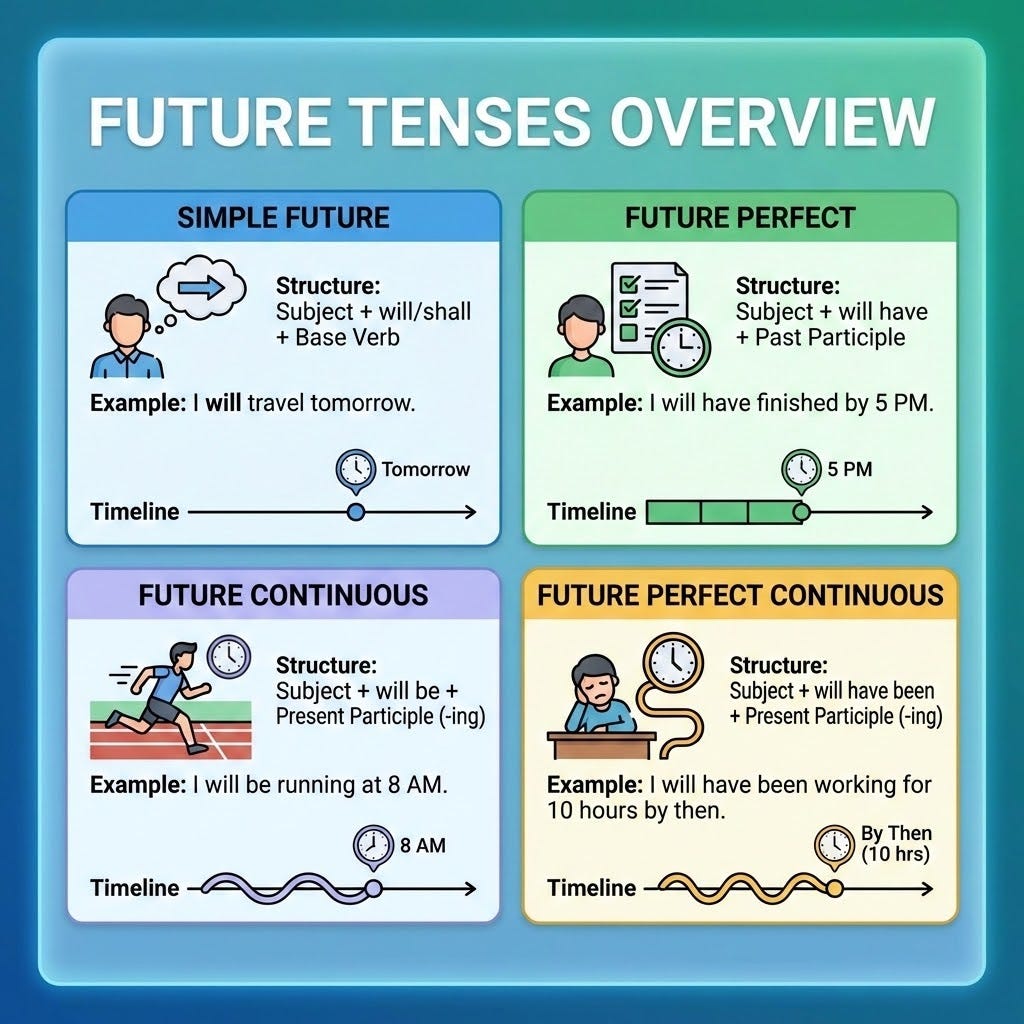
Today I had a lesson with a B2 student. Normally, he speaks very well. His vocabulary is huge. He is a writer and hugely accomplished in his own language. But he does have a few tiny bad habits that we are ironing out in class. He tends to miss out prepositions, and we are working on this in situ. During our lesson, I had to spend a little extra time guiding him through the “Future Continuous” and “Future Perfect” Tenses, as we discovered partway through that the understanding and structure of verb tenses in his country are different from those in English.
Another student, a child, was learning about Spring, Summer, Autumn, and Winter, and the activities we do in each season. It quickly became clear while we tried to sort the months into seasons that she didn’t know the months in order. So we paused the lesson and learned them instead. We can now go back to continue the lesson in the next session, and she will be able to complete it more easily and learn the vocabulary taught more effectively.

Recently, I taught another child how to tell the time, as we were learning to do so in English. It became clear that they couldn’t read a clock in either English or their own language. Neither their parents nor their school had taught them this basic life skill, and the student was too embarrassed to ask.

These things could easily be skimmed over in a group class, or be quite embarrassing for the student who couldn’t complete the task because of a basic knowledge gap. But in 121 sessions, we can pause the lesson and go over the information needed to assist the student with the tasks set.
This means that 121 classes are even more effective for neurodivergent, nervous, or anxious learners, as the tutor is non-judgemental and there to support them in every way to help them succeed.